
Month of the Military Child is celebrated every April, recognising the remarkable strengths of children and young people from Armed Forces families and their unique experiences of Service life.
This month is an opportunity to hear from Forces children, educate their school community and reflect on how we can help children and young people from Forces families realise their potential and thrive.
If you’re a teacher or school administrator, following our Month of the Military Child assembly guide is the perfect place to start.
Why hold a Month of the Military Child assembly?
Our recent education report shows that many pupils from Forces families feel that ‘visible school leadership, such as that shown through assemblies celebrating Forces events, would cultivate a positive culture and give them a platform to advocate for themselves and talk about their experiences.’
Holding a Month of the Military Child assembly will help students and teachers alike better understand the experiences of Forces children. This planner, complete with a ready-to-use presentation, will help you deliver an assembly that creates an inclusive school-wide environment while inspiring all children to reflect on their own unique experiences and strengths.
Get started
Supporting children and young people from Armed Forces families begins with listening. The co-produced Forces Children’s Rights Charter outlines the rights that are most important to Forces children, and what they look like in practice.
If you want to commit to making the Charter a reality in your sphere of influence, pledge to become a Rights Charter Defender today. You’ll also find practical guides on defending Forces children’s rights in school, health and social care, policy and research contexts.
Become a Charter Defender
Learning about our other projects, reports and campaigns will also help you better understand and support Forces children and young people.

Taking pride in their identity one of the key messages of the Forces Children’s Rights Charter: “I am proud of being a Forces child, and that identity should be protected” (UNCRC Articles 8 and 15).
Hear from some children from Army families at Colinton Primary School about their experiences.
Henry said: ‘When my dad was younger, he wanted to be a fighter pilot, and he didn’t make it because of his medical. Then he was pushing himself to become an Army Officer, but he didn’t get it at first. Now that he’s nearly a Major, that makes me proud.’
Reflecting on her father’s deployments, Sereana told us: ‘The first time my dad left, I started crying because I didn’t know where he’d be or when he’d come back, and then I started to get used to it. It’s normal for me now.’
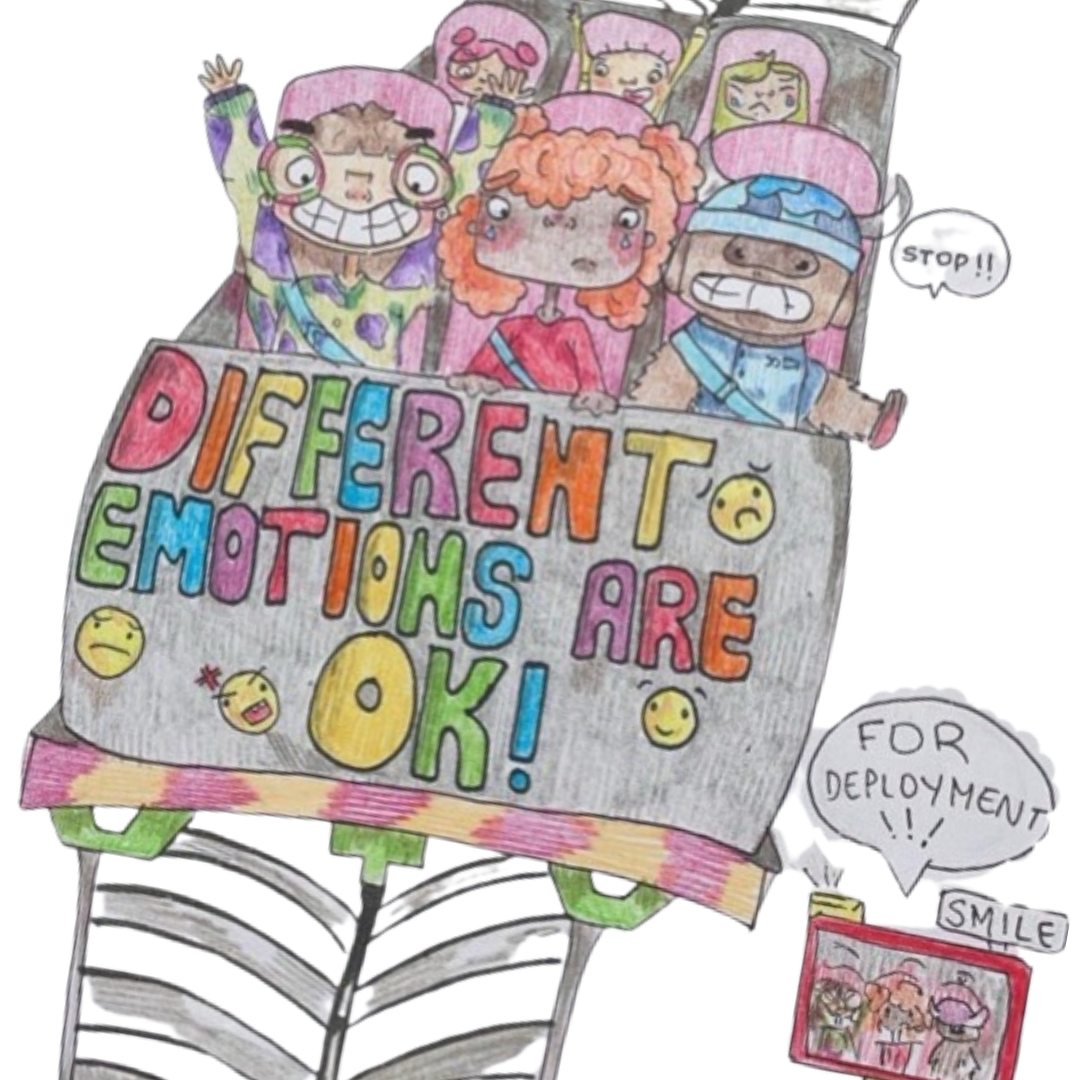
Growing up in a Forces family is a unique experience, and few can directly relate to it. That’s why it’s so important for Forces children to come together in groups, and for adults to develop an understanding of the frequent moves, parental separation and other events that play a role in Forces life.
Josh, an acting student, reflects honestly on what it means to be part of a Forces family.
‘I think if I wrote a play about being a Forces family member, I would focus on the isolation that you can feel. Even if you have so many friends and you’re surrounded by all these people, when you’re a Forces family member, sometimes you can just feel isolated.
I would also try to explore the positives, and I would try to explore how those positives can make you happy and cheer you up, and then can just be ripped away, just to portray that it’s always changing as a forces family member. You can never expect what’s going to happen because it’s that unpredictable.’
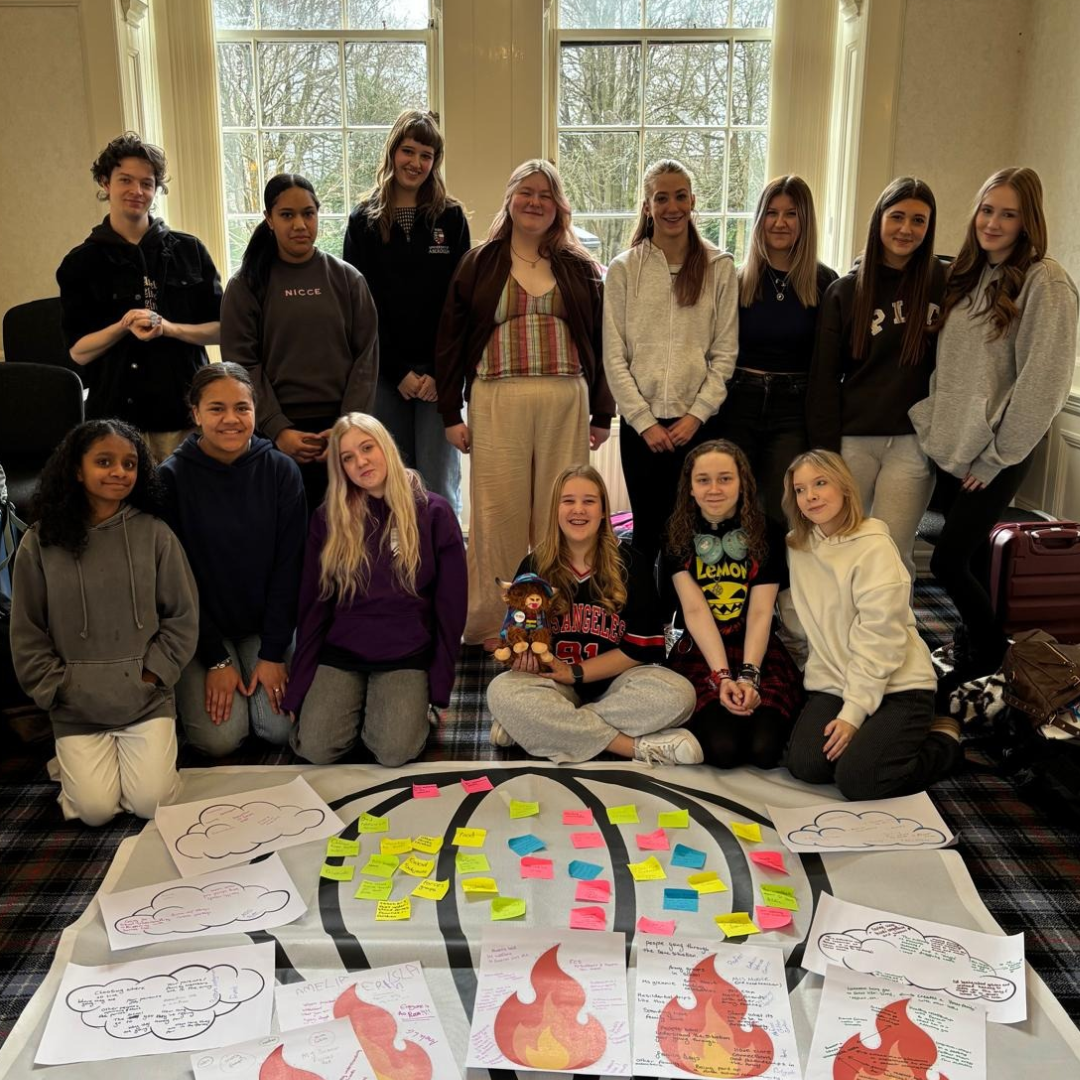
We asked students from Hermitage Academy in Helensburgh what they wished people understood about Forces life.